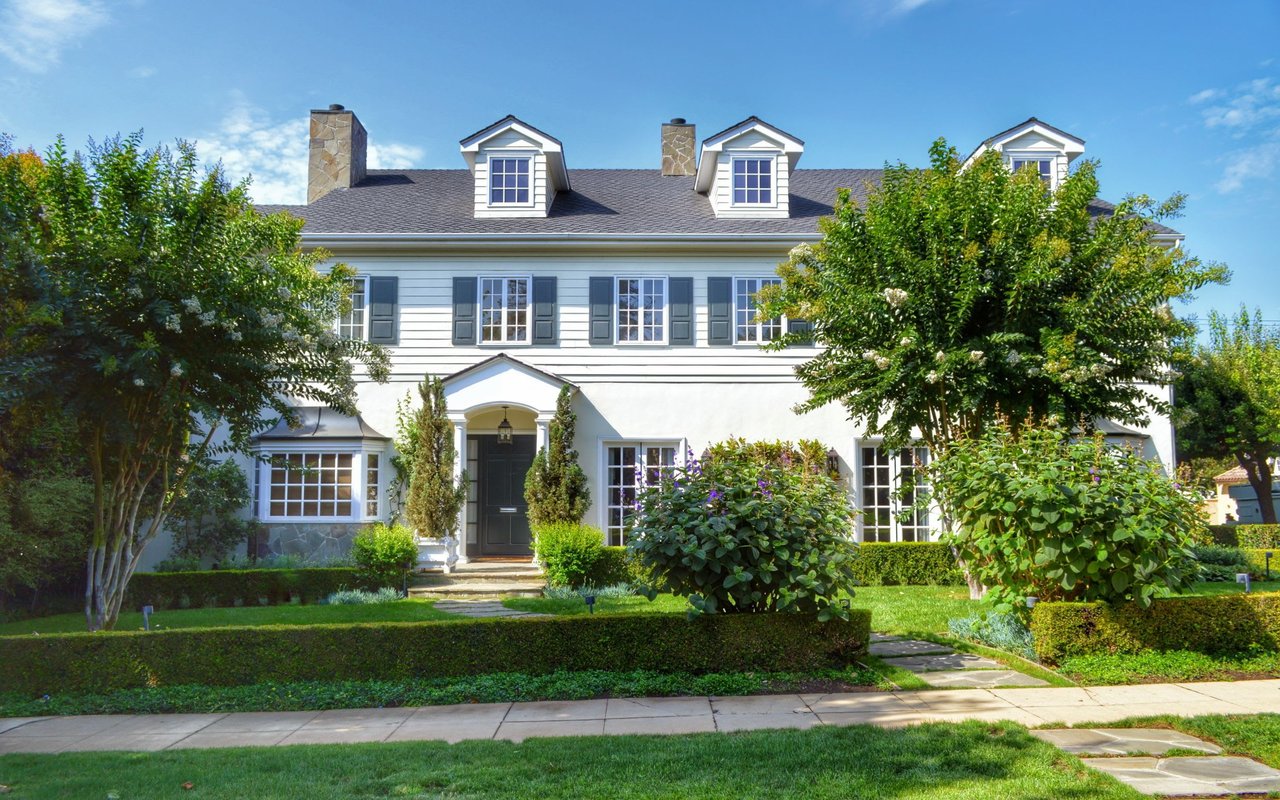
If you want more elbow room without feeling cut off from the west metro, Medina deserves a close look. For many buyers, the appeal is simple: more land, more privacy, and more flexibility for how you use your property. The key is knowing that Medina is not one single type of market, and your experience can change a lot from one address to the next. Let’s dive in.
Medina sits about 20 miles west of Minneapolis and just west of Plymouth, which helps explain why it attracts buyers who want a country feel with practical access to nearby suburbs. According to the city’s comprehensive plan, most of Medina is guided as Diversified Rural, while the northeast area is planned as Emerging Suburban Edge. That mix gives Medina a distinct identity compared with communities that are fully suburban or fully rural.
The country character here is not just a happy accident. Medina’s open-space planning specifically emphasizes preserving rural vistas, open spaces, wetlands, and trails. If you are looking for a setting that feels intentionally protected rather than temporarily undeveloped, that matters.
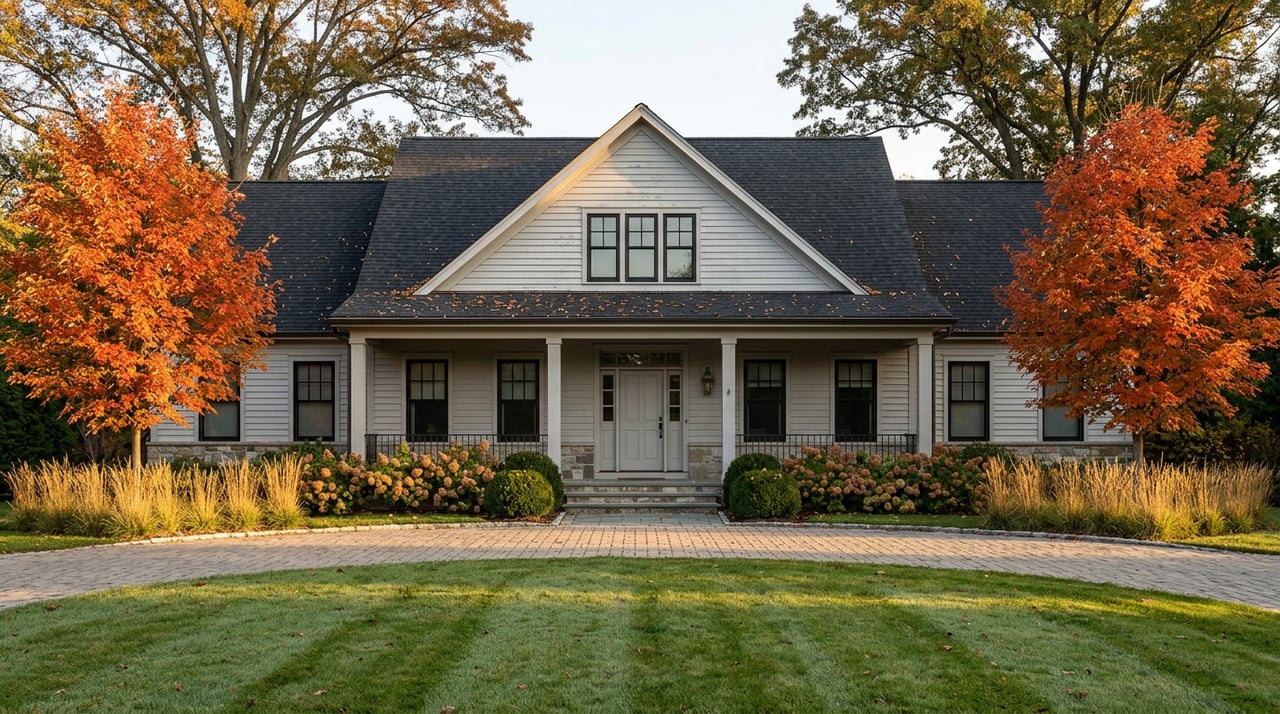
In Medina, country-feel living often means larger lots, wider spacing between homes, and more natural landscape around you. It can also mean longer driveways, fewer homes in view, and property layouts shaped by topography, wetlands, and open land. In some cases, homes may even be served by easements instead of traditional street frontage, which can create a more tucked-away feel.
That said, Medina is not uniform. Some areas are clearly oriented toward large-lot rural living, while others are closer to suburban-style development patterns. If you are shopping here, zoning and parcel details matter just as much as square footage or finish level.
One of the clearest ways Medina supports acreage living is through its zoning standards. In the RR district, the city requires at least five acres of contiguous soils suitable for a standard sewage disposal system, along with a primary and secondary septic site. The district also requires a 300-foot lot width, a 200-foot lot depth, and 50-foot front setbacks, with 50-foot side and rear setbacks on lots five acres or larger.
Some areas are even lower density. In the RR-UR reserve district, the minimum lot size is 20 acres, with at least five acres of suitable soils and a minimum width of 200 feet. Those standards show just how much room certain parts of Medina are designed to preserve.
For comparison, Medina’s R1 suburban residential district has a minimum lot size of 11,000 square feet. That simple contrast helps show why one Medina listing may feel like a classic neighborhood home while another feels much more private and land-oriented.
When you buy a larger property, the usable land is not always the same as the total acreage on paper. Medina’s subdivision rules require lots to account for wetlands, steep slopes, easements, and other non-buildable areas when meeting minimum lot-area standards. In practical terms, that means two properties with similar acreage may offer very different building or use potential.
Soil conditions are also a major factor. In rural districts, septic suitability is part of the equation, and the city requires both primary and secondary septic sites in certain zoning categories. If you are considering acreage, it is smart to evaluate the site itself, not just the home and lot size listed online.
For many buyers, the real draw of Medina acreage is what the extra land lets you do. More distance between homes can create a stronger sense of privacy, quieter outdoor space, and more flexibility for garages, storage, or recreation. Larger parcels can also support a more estate-style setup than you would typically find in a conventional subdivision.
Medina’s subdivision code allows some rural lots to be created without frontage on a public or private street if they are served by a 60-foot easement. That can lead to more secluded drive approaches and less direct street exposure. If privacy is high on your list, this is one of the details worth watching.
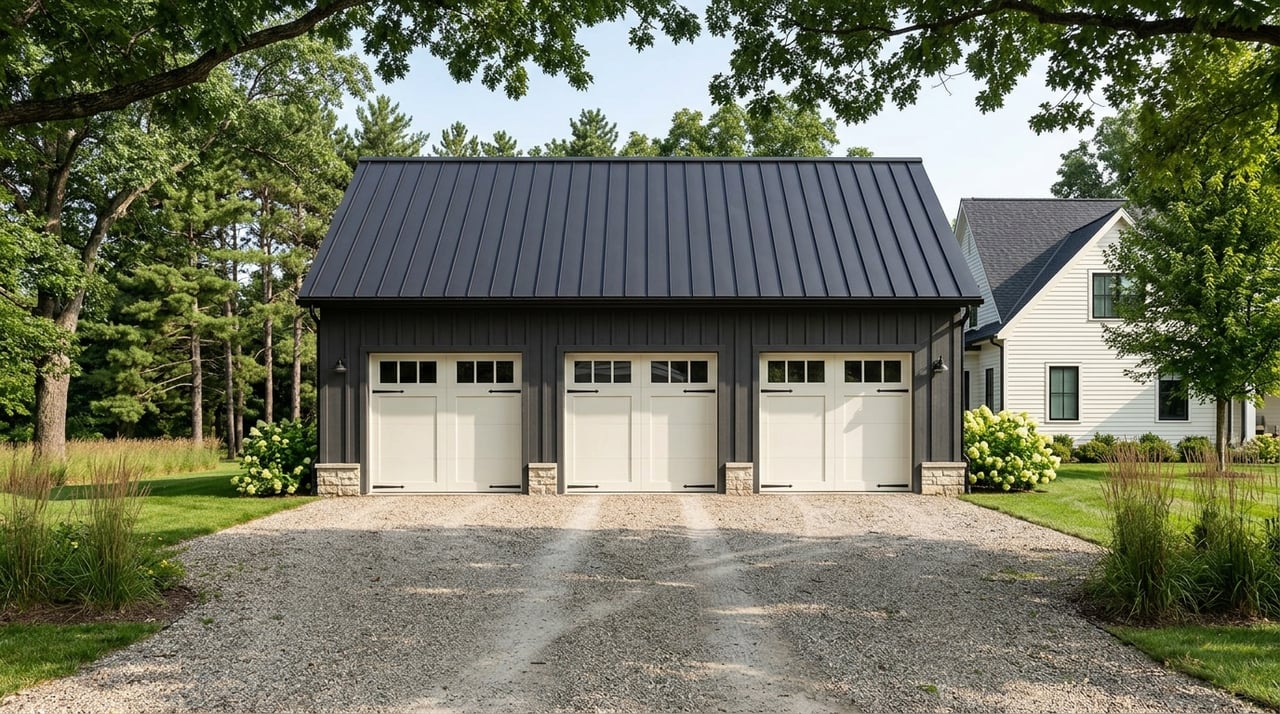
If you are hoping for a detached garage, barn, workshop, or similar structure, Medina can be especially appealing. The city allows one accessory building on smaller residential lots and up to two accessory buildings on lots over 3 acres. On 3-to-5-acre lots, the maximum accessory-building size can reach 4,000 square feet, and on lots over 5 acres it can reach 5,000 square feet.
In general, accessory buildings may not exceed 30 feet in height unless the city applies different treatment for agricultural use or farming. These standards can create more opportunity than you would see in a denser suburban setting, but the details still depend on lot size, layout, and city requirements. If a property’s outbuilding potential is important to you, it is worth verifying early.
Medina’s RR district allows accessory uses that go beyond what many buyers expect in a typical residential area. Permitted accessory uses include garages, farm buildings, home occupations, private riding stables, gardening, beekeeping, and maple syrup production. That gives some properties a true hobby-farm or country-estate feel.
Animal keeping is also addressed by city rules. Livestock or traditional farm animals are allowed on properties that are 2 acres or larger, with one animal unit for the first two grazable acres and one additional animal unit for each additional grazable acre. The city defines grazable acres as open, non-treed land that can support grazing.
This does not mean every acreage property is automatically suited for animals or agricultural uses. Lot size, open land, soil conditions, and site design still need to line up. Still, for buyers who want more than a backyard, Medina offers options that are hard to find in more built-out suburbs.
Acreage living comes with real advantages, but it also comes with more responsibility. Larger setbacks, septic and soil requirements, and limits tied to site conditions can affect how you use the land. You may also have more maintenance tied to open space, landscaping, drainage, or long driveways.
Medina also limits hard surface coverage in the RR district to 40 percent of lot area, or up to 50 percent when low-impact design or best-management practices are used. That helps preserve a more open and permeable landscape, but it can also shape plans for driveways, patios, sport courts, and accessory structures. If you have a very specific vision for the property, these details are important up front.
One reason Medina stands out is that the setting is not just about private land. The city’s park and trail planning includes Baker Park Reserve, Wolsfeld Woods Scientific and Natural Area, county trails along County Road 24, the Lake Independence Regional Trail along County Road 19, and private horse trails identified as an important part of the city’s rural culture.
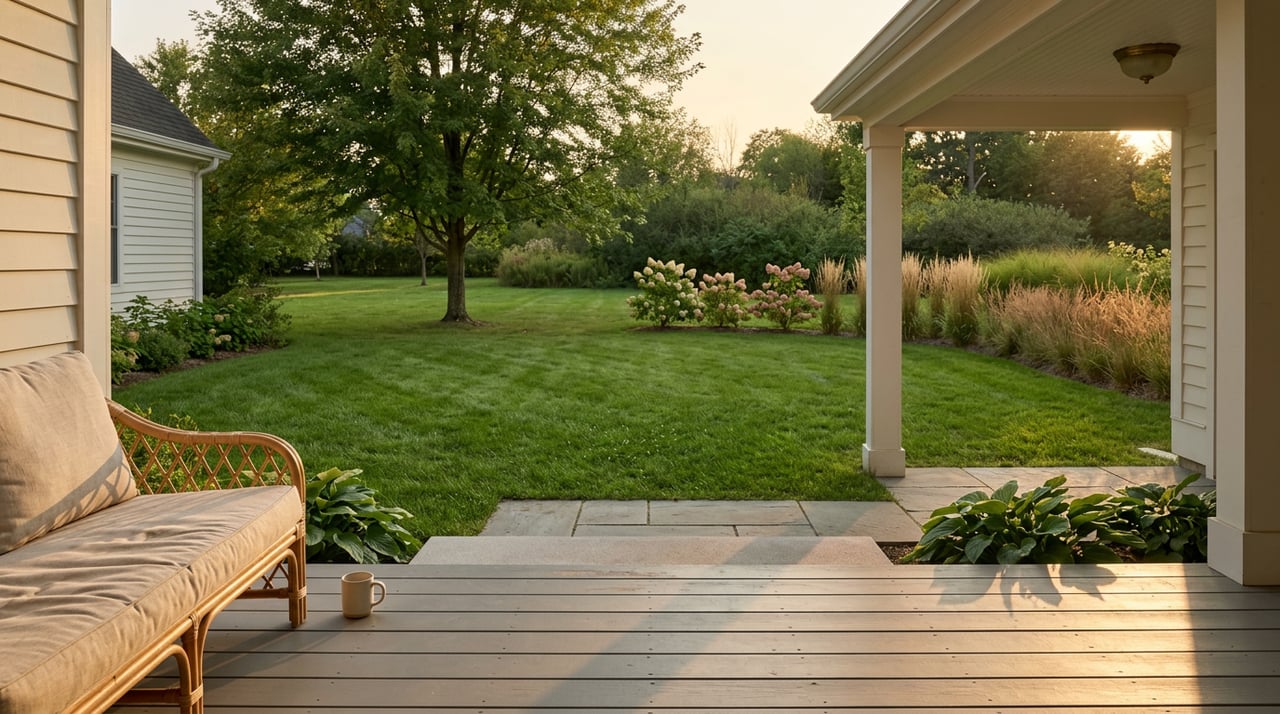
For buyers who value time outdoors, that broader network can add to the appeal of living here. You get the sense of space on your own property, but you are also in a community that has planned around open land, trails, and natural features. That combination is part of what makes Medina feel distinct.
A country setting does not have to mean remote. Medina’s transportation plan notes that Highway 55 follows the city’s northern boundary and connects the area with Plymouth, Corcoran, and Greenfield. US 12 also passes through the southwest corner of the city.
For many buyers, this is part of the sweet spot. You can look for more land and a quieter setting while staying connected to the west metro road network. Commute patterns still depend on your exact location, but Medina’s road access is one reason it continues to appeal to move-up and relocation buyers.
If school assignment is part of your home search, verify it property by property. Wayzata Public Schools states that it serves all or parts of Medina, and Delano Public Schools also serves families in Medina. That means you should not assume district assignment based only on the city name.
This is especially important in a community where rural and suburban-edge development overlap. A specific parcel can tell a different story than the broader map. Confirming the address early can save time and prevent surprises.
Medina can be a strong fit if you want privacy, room for accessory buildings, possible hobby-farm features, and a landscape shaped by rural planning goals. It can also work well if you want that setting without giving up access to Plymouth, Wayzata, and the western Twin Cities suburbs. For the right buyer, it offers a balance that is increasingly hard to find.
The best approach is to stay focused on the property’s actual zoning, site conditions, and location within Medina. Two homes in the same city can offer very different day-to-day experiences. If you want clarity on how a specific property really lives, local guidance makes a difference.
If you are exploring acreage or country-feel homes in Medina, working with a local team can help you sort through zoning context, site trade-offs, and the neighborhoods that best match your goals. To start the conversation, connect with Shannon Brooks.
Stay up to date on the latest real estate trends.
Brooks Team's outgoing personality, tenacity, positive attitude, and excellent communication skills are what have made them successful in this ever-changing industry. No one likes surprises in a real estate transaction. The team's goal is to ensure that their clients know what to expect at each step, from your first meeting to closing.