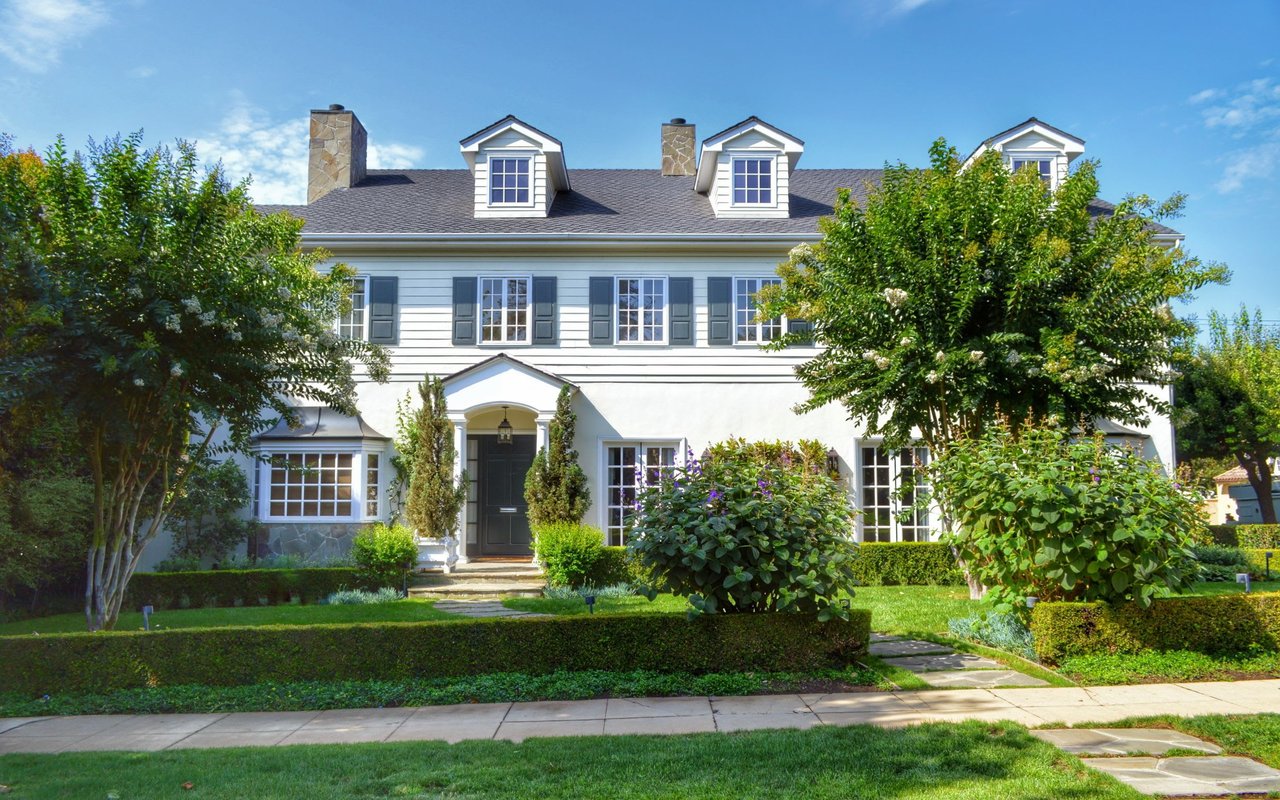
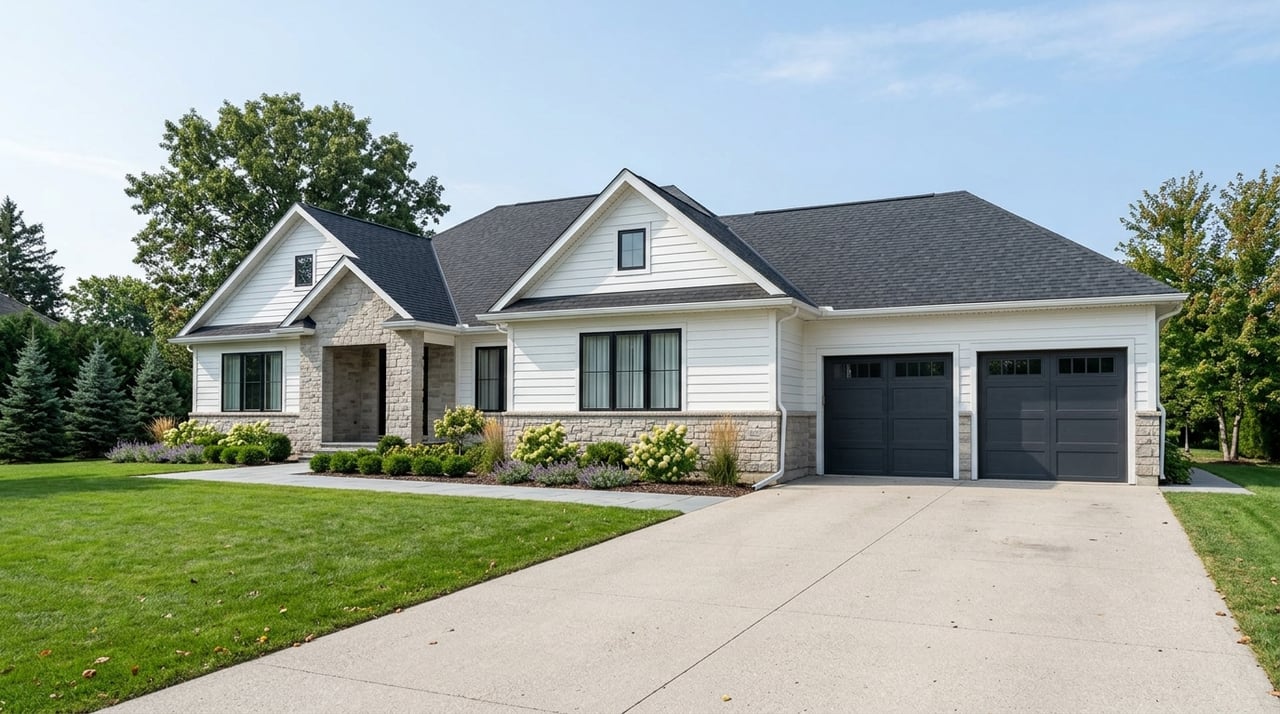
If you’re thinking about trading Twin Cities hustle for more space and a slower daily rhythm, Medina may already be on your shortlist. For many buyers, the appeal is simple: more land, lower density, and a residential feel that is very different from Minneapolis, St. Paul, or many inner-ring suburbs. The key is knowing that Medina is not one-size-fits-all, and that your experience can change a lot from one address to the next. This guide will help you understand what day-to-day life, housing, and home search due diligence can really look like in Medina. Let’s dive in.
Medina is a small city in western Hennepin County with an estimated 2025 population of 7,460. It also has a 92.2% owner-occupied housing rate, a median value of owner-occupied homes of $736,700, and a population density of 267.6 people per square mile. In practical terms, that points to a lower-density, mostly residential setting that can feel far removed from the pace of the urban core.
City planning documents describe Medina as a rural-charm alternative to more intensely populated areas closer to Minneapolis and St. Paul. If you are relocating from the Twin Cities, that shift can be a major part of the appeal. You may find more separation between homes, more varied lot sizes, and a more driving-oriented routine.
One of the biggest mistakes buyers make is thinking of Medina as a single lifestyle choice. In reality, Medina works best when you evaluate it as a collection of micro-areas with different housing patterns, utility setups, and street layouts. Two homes with the same city name can offer very different living experiences.
That matters because Medina includes acreage-style areas, subdivision neighborhoods, and more village-style or mixed residential areas. Your commute, upkeep, remodeling plans, and even utility responsibilities can all shift based on the exact parcel. When you relocate here, it helps to compare specific addresses rather than make broad assumptions about the city as a whole.
If you are coming from a neighborhood where transit, walkability, or quick freeway options shape your day, Medina will likely feel different. City planning documents make it clear that Medina is a driving-first community, with Highway 55 serving as a recurring corridor in local planning. The city is classified as Emerging Suburban Edge and Diversified Rural, and no high-frequency transit routes or express bus advantages are planned within Medina.
That does not mean you are cut off, but it does mean your daily routine will probably center on driving. Hennepin County Transit Link dial-a-ride serves the city, and one planned higher-density area looks to nearby park-and-ride access in Maple Plain. Still, most buyers should approach Medina as a west-metro location built around the car rather than a transit-oriented lifestyle.
Census data puts Medina’s mean travel time to work at 26.3 minutes. That number is only a citywide average, so your route and timing will depend on exactly where you live and where you work. Even so, it gives you a reasonable starting point if you are trying to picture whether Medina will feel manageable for your workweek.
For many Twin Cities movers, the better question is not whether Medina is close to everything. It is whether the tradeoff of more space and lower density is worth a more car-dependent pattern. For the right buyer, the answer is often yes.
Medina’s land-use plan draws a clear distinction between rural living and urban-served neighborhoods. Rural Residential includes larger tracts of land, homesteads, and hobby farms on parcels that do not have city sewer and water service. These areas are intended to preserve a more spacious, lower-intensity pattern.
The city’s planning framework limits Rural Residential to no more than one lot per 10 acres, while Agricultural land is planned for long-term agricultural use at no more than one lot per 40 acres. If you are drawn to privacy, outbuildings, or a more open setting, these areas may be worth a closer look. They also require more careful due diligence before you buy.
Other parts of Medina are planned for low-density or mixed residential development served by urban utilities. These areas can include detached single-family homes, twin homes, townhomes, rowhomes, and small multifamily buildings. If you want a more conventional suburban setup, these locations may feel more familiar coming from another west-metro suburb.
This is one reason Medina attracts a wide range of buyers. You can find homes that lean more rural in feel, and you can also find neighborhoods that offer a more typical suburban experience. The right fit depends on how much land, maintenance, and infrastructure responsibility you want.
In many Twin Cities communities, buyers assume utility service is straightforward. In Medina, that assumption can create surprises. The city operates three separate water systems, and limited areas receive water from neighboring communities such as Orono and Maple Plain.
That means water service can vary by location. If you are comparing two homes, it is smart to confirm how each property is served and whether that setup changes your long-term expectations for maintenance, improvements, or costs.
Utility due diligence matters even more if you are considering acreage. Medina reports 702 known individual sewage treatment systems, and the city requires septic tanks to be inspected and pumped at least once every three years. For buyers used to city sewer, this is an important shift in homeownership responsibilities.
The city’s sewer planning also states that urban services will not be provided to Agricultural, Rural Residential, or Future Development Area land uses during the current planning cycle. By contrast, the northeast area around Highway 55 is identified as the emerging suburban edge and the focus of service expansion. In simple terms, not every Medina property is on the same path for future utility service.
Even with its lower-density feel, Medina provides the core services most homeowners expect. The Police Department provides 24-hour coverage, and Public Works handles roadways, sewer and water utilities, parks and trails, snow plowing, stormwater, and right-of-way permits. That gives you the framework of a well-supported city, even if the pace feels less urban.
Daily logistics also have their own local rhythm. For household waste, the city contracts with Republic Services for garbage, recycling, and organics recycling. Garbage is picked up on Wednesdays, recycling runs every other Wednesday, and single-family residents receive Green Bag organics service at no additional fee.
For many buyers, the lifestyle draw is not just the house. It is also the access to open space and recreation. Medina residents can use city parks and trails, along with nearby resources such as Baker Park Reserve, Wolsfeld Woods Scientific and Natural Area, and the Lake Independence Regional Trail.
If you are leaving a more densely built area, these amenities can become part of your daily routine in a meaningful way. More room to move around, more natural space, and a quieter setting are often part of what people are really seeking when they relocate here.
Because Medina can vary so much by parcel, your home search should include extra location-specific checks. A polished listing can tell you a lot, but it will not answer every question that matters in this city. The details behind the address often shape the ownership experience just as much as the home itself.
Here are some of the most useful items to verify during your search:
For acreage properties or homes where you may want outbuildings or future improvements, these checks become even more important. They can affect upkeep, renovation planning, and the overall fit of the property for your goals.
Medina tends to fit buyers who want more land, more privacy, and a lower-density environment than they have in Minneapolis, St. Paul, or many closer-in suburbs. It can also be a strong option if you are comfortable with a more car-oriented routine and want a home search that opens up different housing styles and lot configurations.
What Medina usually does not offer is a transit-heavy or city-core lifestyle. If your ideal day depends on frequent transit, a compact street grid, or highly urban convenience, some parts of the Twin Cities may align better. But if you want breathing room and are willing to evaluate homes carefully by parcel, Medina can offer a compelling move.
Relocating to Medina is not just about moving west. It is about choosing the kind of daily life you want, then matching that vision to the right part of the city. The more clearly you understand commute patterns, lot types, utility setups, and parcel-level differences, the more confident your move will feel.
If you want local guidance as you compare Medina addresses and narrow down the right fit, Shannon Brooks can help you navigate the process with clear communication and practical insight.
Stay up to date on the latest real estate trends.
Brooks Team's outgoing personality, tenacity, positive attitude, and excellent communication skills are what have made them successful in this ever-changing industry. No one likes surprises in a real estate transaction. The team's goal is to ensure that their clients know what to expect at each step, from your first meeting to closing.