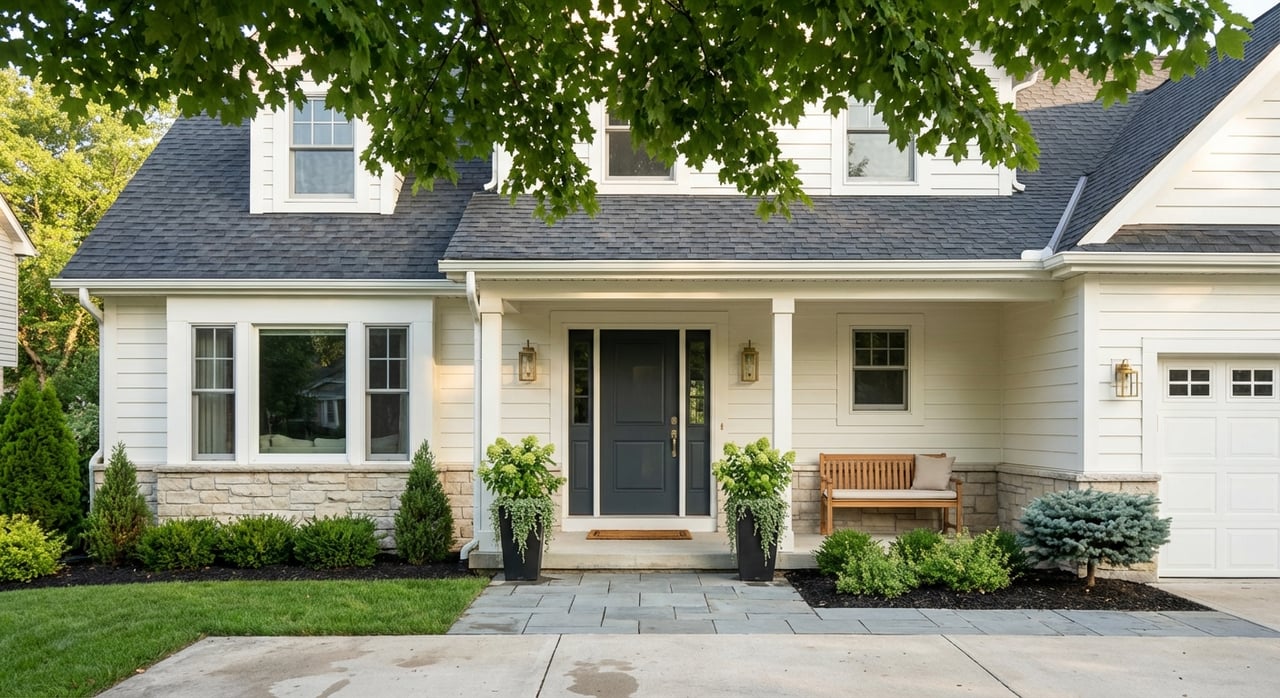
Buying your first home in Plymouth can feel exciting and overwhelming at the same time. You want a smart plan, a clear budget, and confidence when it is time to write an offer. In this guide, you will learn how the local market works, what steps to take, and what to watch for in Plymouth homes so you can move forward with less stress and fewer surprises. Let’s dive in.
How the Plymouth market works
Plymouth offers a mix of established neighborhoods, lakefront options, newer subdivisions, and attached housing. Inventory can tighten in spring and summer, especially for entry-level homes, then ease at other times. Your strategy should match the micro-market you are targeting.
- Lakefront and lake-adjacent: Limited supply and more price swings. Verify shoreline rules, dock permissions, setbacks, and lake water considerations.
- Established east and central areas: Older ranches, splits, and mid-century two-story homes. Pay close attention to basements, mechanical systems, and update history.
- Newer subdivisions and infill: Modern layouts, builder warranties, and HOAs. Compare builder incentives and what is standard versus an upgrade.
- Condos and townhomes: Often near retail and commuter routes. Review HOA rules, reserves, and special assessment history.
Your step-by-step plan
Get mortgage-ready - 1 to 2 weeks
- Define your budget: down payment, closing costs, and a reserve for early repairs.
- Secure a written pre-approval, not just a pre-qualification. It strengthens your offer in competitive segments.
- Gather documents early so you can act quickly when the right home hits the market.
Search and tour smart - a few weeks to several months
- Set alerts for your price band and target areas near I-494, Hwy 169, or Hwy 55 if commute access matters to you.
- Tour several homes in a day when possible. Take photos and notes so you can compare later.
- Evaluate orientation, drainage, yard usability in winter, and where key mechanicals sit, including the furnace, water heater, and sump pump.
- Use virtual tours and drive-by screenings to narrow your list before scheduling full showings during busy times.
Make a strong offer
- Key terms include price, earnest money, financing and inspection contingencies, personal property to include, closing date, and any appraisal gap or escalation language if the market is competitive.
- Expect sellers to value certainty. Strong financing, larger earnest money, and flexible timing can help your offer stand out.
- Be ready to respond quickly to counters and use your agent’s guidance to tailor terms to the home and micro-market.
From accepted offer to closing - 21 to 45 days
- Schedule your home inspection right away and plan for a short review window.
- Your lender orders the appraisal and completes underwriting. You provide updated documentation as needed.
- Clear title, finalize insurance, wire funds per the closing statement, and complete a final walkthrough before you sign.
- Typical timeline from pre-approval to keys is 6 to 12 weeks, depending on inventory, financing, and contingencies.
Common offer terms in Plymouth
- Earnest money: Shows commitment and is usually refundable only under specific contingency protections.
- Inspection contingency: Short windows are common, often 7 to 14 days. Sellers prefer quick timelines.
- Financing contingency: Lenders often need 21 to 30 days to clear financing.
- Appraisal planning: You may include an appraisal contingency. In multiple-offer scenarios, some buyers propose covering part of an appraisal gap or use a carefully drafted escalation clause.
- Closing date: Flexibility can be a negotiation lever. Matching the seller’s timeline can make your offer more appealing.
- Home warranty: You can request a 1-year home warranty, especially on older homes, or ask for a credit.
Remember that the best offer is not always the highest price. Certainty and clean terms often win in tight segments.
Plymouth due diligence checklist
Utilities and services
- Confirm if the home is on municipal water and sewer or has private well and septic. Plymouth is largely municipal, but verify property by property.
- Ask for recent utility bills to estimate monthly costs and seasonal swings.
Basements and cold-climate systems
- Inspect for water intrusion, sump pump operation, and any signs of moisture.
- Check insulation, furnace age and service history, AC presence, and plumbing condition to prevent freeze issues.
- Consider radon testing. Mitigation systems are common and effective if needed.
Lakefront questions
- Shoreline rules, dock permits, setbacks, and riparian rights are governed by state and local regulations. Confirm what changes are allowed and whether a dock conveys.
- Ask about erosion control and lake maintenance responsibilities.
HOAs and assessments
- For condos, townhomes, and some subdivisions, request HOA documents, budgets, reserve studies, and recent meeting minutes.
- Review what the fees cover and whether special assessments are pending.
- Check for Hennepin County assessments that may appear on tax bills.
Taxes and school districts
- Pull the most recent tax statement to estimate annual property taxes and ask about any pending changes.
- If you will occupy the home, confirm homestead classification steps through the county after closing.
- Verify school district boundaries directly with the district or county tools for the specific address.
Permits and remodels
- Verify permits for past finishing work, additions, and structural changes. Unpermitted work can complicate resale or financing.
Commute and neighborhood fit
- Test your route at rush hour along I-494, Hwy 169, and Hwy 55.
- Consider access to transit, shopping, and medical services that fit your routine.
Inspections to consider
- Standard home inspection plus targeted tests: radon, septic inspection if applicable, well water quality if applicable, and specialized roof or structural reviews for older or high-value homes.
Financing and assistance basics
- Common loan types include conventional, FHA, and VA. Down payment needs vary by product. Private mortgage insurance may apply with less than 20 percent down on many conventional loans.
- Closing costs typically range in the low single digits of the purchase price, often around 2 to 5 percent depending on loan type and contract terms.
- Explore state and county first-time buyer resources. Minnesota Housing programs and potential down payment assistance may be available, and HUD-approved counseling agencies can help with budgeting and education.
- Compare Loan Estimates from two or three lenders to evaluate rates, fees, and timelines.
- Confirm any assistance eligibility and lender timelines before you write an offer, especially if you depend on those funds to close.
Sample timeline at a glance
- Week 0 to 2: Pre-approval and agent selection.
- Week 1 to 8: Active search and showings, depending on inventory and flexibility.
- Offer accepted, Week 0 to 1: Home inspection and any specialist inspections.
- Offer accepted, Week 2 to 4: Appraisal and lender underwriting.
- Offer accepted, Week 3 to 6: Clear contingencies, finalize loan, schedule closing.
- Closing: Often 21 to 45 days from acceptance, depending on terms and lender.
Ready to start?
If you want a calm, predictable path to your first Plymouth home, partner with a team that knows every micro-market and communicates clearly at each step. For tailored listings, smart negotiation strategies, and a no-surprises process, connect with Shannon Brooks to schedule a free market consultation.
FAQs
What does earnest money mean for a Plymouth purchase?
- It is a deposit that shows commitment and is typically refundable only under agreed contingencies such as inspection, financing, or appraisal clauses.
How long is the inspection period in Plymouth?
- Short windows are common, often 7 to 14 days, so schedule your inspector quickly once your offer is accepted.
Are radon tests common in Minnesota home sales?
- Yes. Many buyers test for radon during the inspection period. Mitigation systems are common and generally effective if elevated levels are found.
What if the appraisal comes in low on my Plymouth home?
- You and the seller can negotiate options such as a price reduction, you bringing additional cash, or contesting the appraisal per contract terms.
Do all Plymouth homes have municipal water and sewer?
- Plymouth is largely municipal, but not every property is the same. Verify each home’s water and sewer setup during due diligence.
How do HOA fees affect my budget for a townhome or condo?
- HOA fees cover shared services and reserves. Review the budget, reserves, and any pending assessments so you can factor them into your monthly and long-term costs.
How can I estimate property taxes as a first-time Plymouth buyer?
- Review the most recent tax statement for the property and confirm homestead steps after closing to understand your likely annual tax obligation.