Thinking about listing your Minnetonka home in the cold months? You are not alone. Many sellers wonder if winter will help or hurt their bottom line. You want a smart plan that balances timing, pricing, and presentation so you can move on your timeline without leaving money on the table. This guide breaks down the real pros and cons of selling in winter in Minnetonka and gives you practical steps to prepare your home for a confident sale. Let’s dive in.
Winter market in Minnetonka
Minnetonka follows the broader Twin Cities seasonal pattern. Inventory and buyer activity usually peak in spring and early summer, then slow in late fall and winter. That does not mean winter sales are weak. It means you will likely see fewer showings, but buyers who tour in winter are often more motivated because of job moves, lease expirations, or family timing.
Local micro-markets can behave differently. Lakeshore homes and high-demand neighborhoods may still see strong interest when inventory is tight. The right pricing and presentation can help your home stand out even when the weather is cold.
What typically changes
- Lower inventory means fewer competing listings, which can help well-prepared homes.
- Showing volume dips, but winter buyers often have stronger intent and act faster.
- Days on market can stretch in deep winter, though well-priced homes still move quickly.
- Final prices vary by year and neighborhood. Tight supply can keep prices resilient.
When waiting may help
- Spring brings more buyers touring in person, which can increase traffic.
- You will also face more competition from other sellers in spring.
- If your timeline is flexible, compare current inventory and days on market now to what you expect in spring before deciding.
Pros of selling in winter
- Less competition from other sellers can make your home more visible to active buyers.
- Buyers in winter tend to be more serious and ready to write offers.
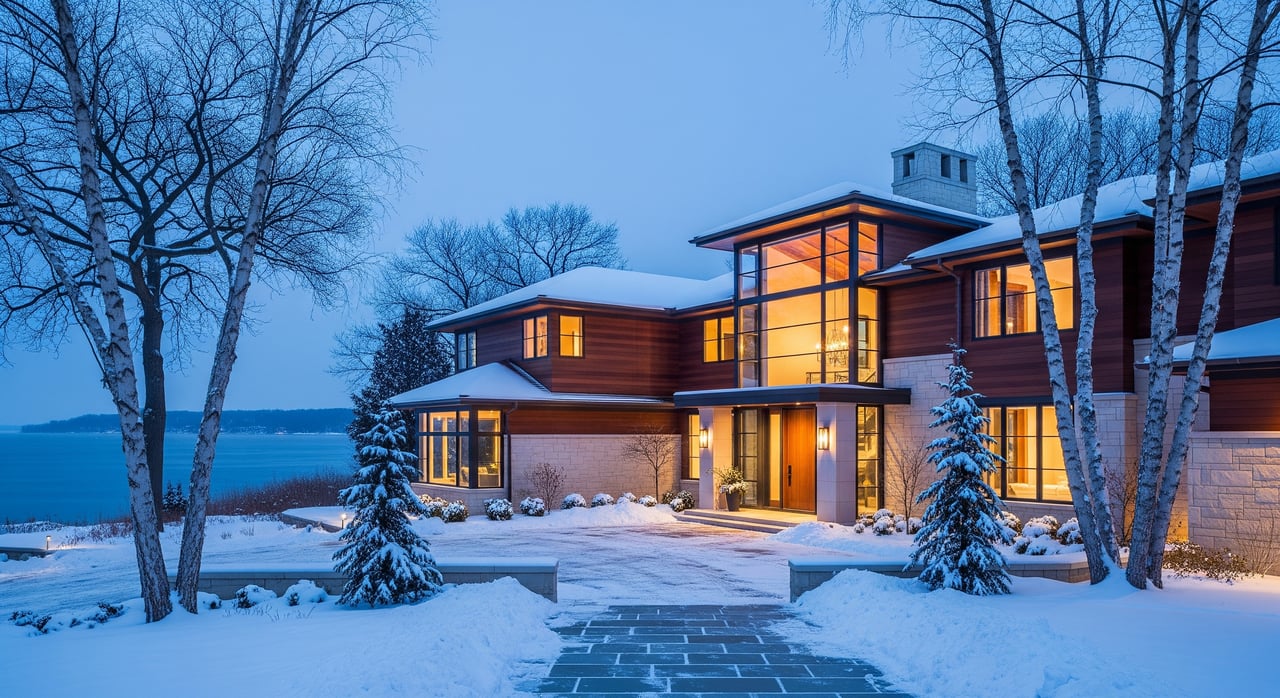
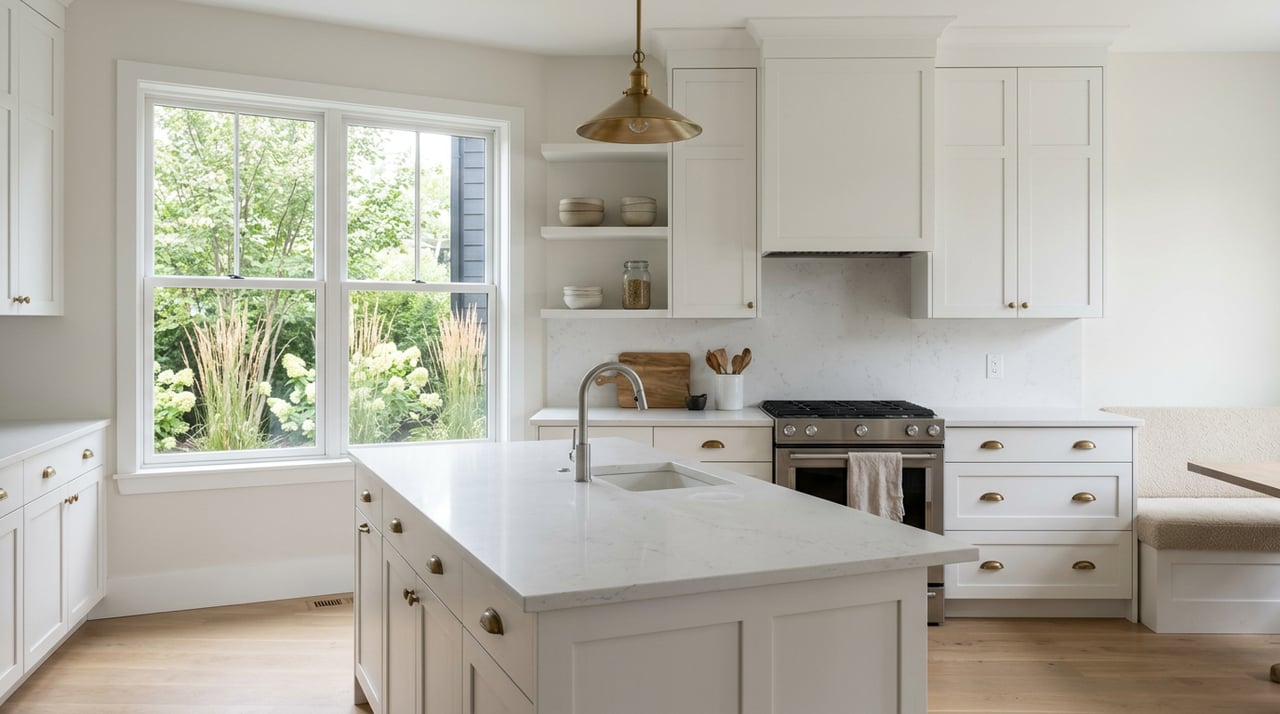
- Cozy, well-lit interiors photograph beautifully and can create a powerful emotional pull.
- Online engagement stays strong even when in-person showings dip.
- Your personal timing may align well with year-end moves or new-year job starts.
Cons to plan around
- Fewer showings can mean fewer total offers if pricing or presentation miss the mark.
- Snow and ice make exterior condition harder to assess and can slow inspections.
- Weather can disrupt photography, open houses, and contractor schedules.
- Some exterior repairs and landscaping projects must wait for warmer months.
Pricing and negotiation
Set the right price
- Use a Comparative Market Analysis that weighs recent local winter sales, not just spring peaks.
- Price to the market you are in. Overpricing in winter can lead to long days on market and bigger discounts.
- If inventory is tight, a slightly sharper list price can create early momentum. Base the strategy on current local metrics.
Negotiate smart
- Leverage can favor sellers when there are few comparable homes available.
- Expect buyers to raise winter-specific issues, such as credits for ice damage or items they cannot fully inspect.
- A clear pre-listing prep plan and documentation for maintenance can reduce requests.
Inspection and appraisal
- Inspectors and appraisers often note seasonal limitations for roofs, grading, exterior paint, and landscaping.
- Be ready to negotiate practical solutions, such as repair escrows, credits, or post-close agreements for items that must wait until thaw.
- Service your mechanicals before listing. A clean bill of health for the heating system builds buyer confidence.
Photography and curb appeal
Exterior photos that work
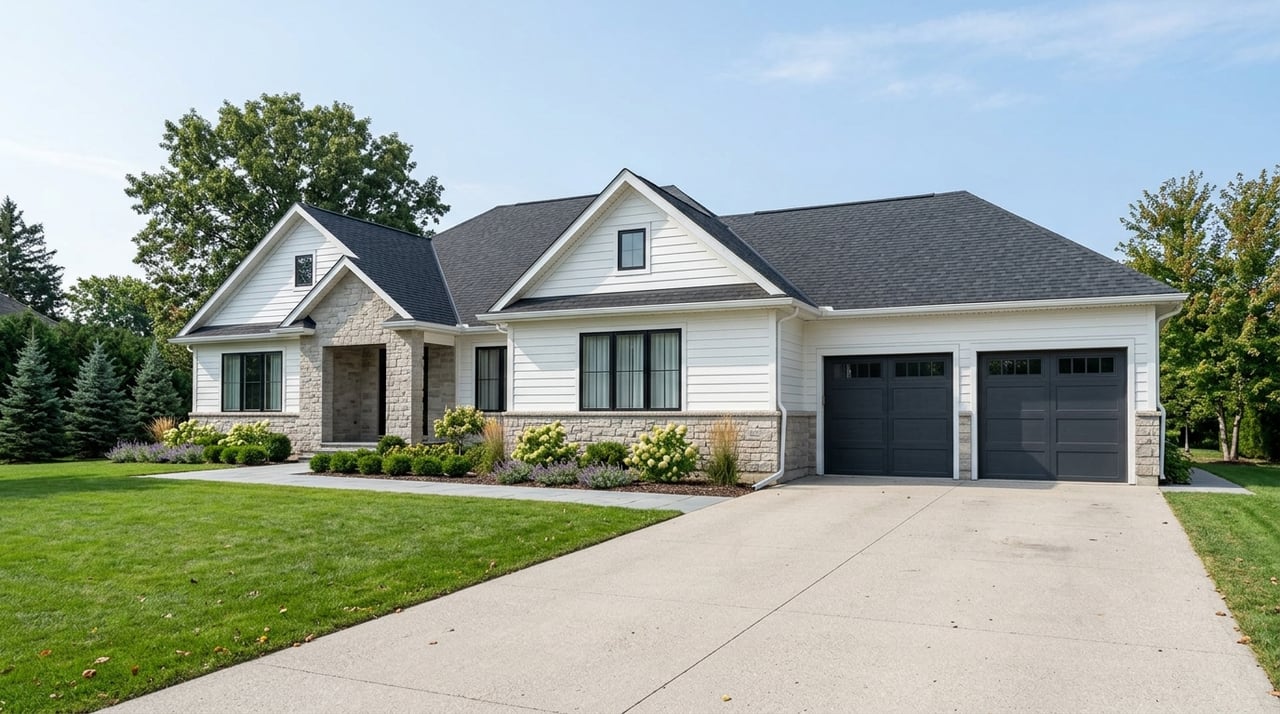
- Clear driveways, walkways, and steps before photos and showings. Use salt or de-icer where appropriate.
- Move snow piles away from the front entry and garage so the home looks accessible and cared for.
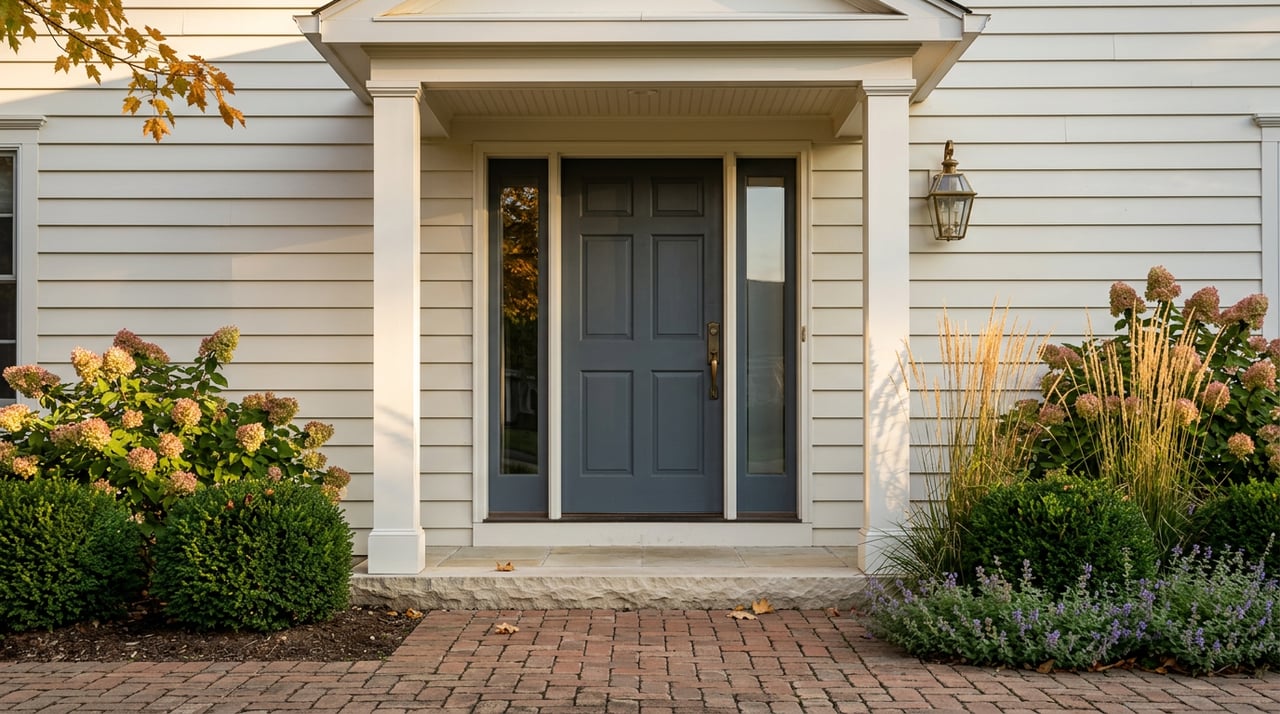
- Turn on warm exterior lights. Twilight photos with lights on can make your home feel welcoming.
- Aim for a clear day. Overcast midday light can give even exposure, and photographers can use HDR techniques to balance bright snow and darker exteriors.
Interior photos that shine
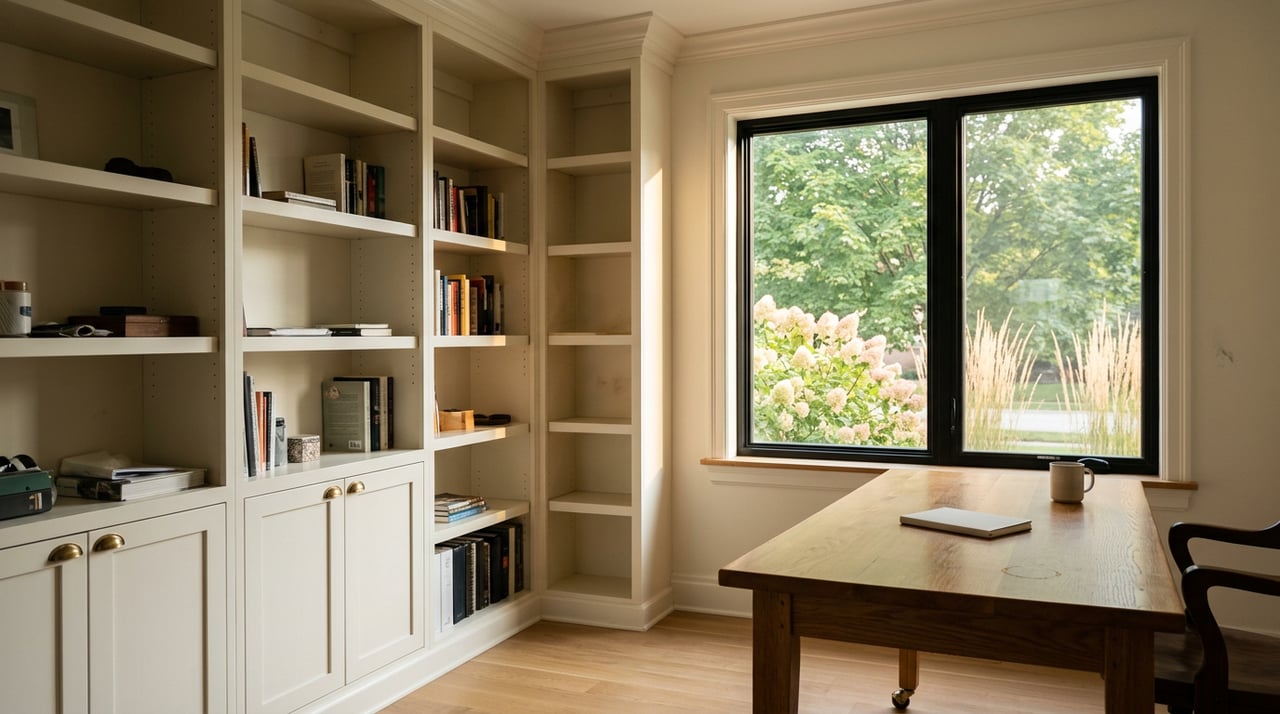
- Schedule photos during the brightest part of the day. Open blinds and curtains to maximize natural light.
- Turn on every light. Use warm bulbs to avoid a cold look and to brighten corners.
- Keep seasonal decor neutral. A simple winter wreath or cozy throw is fine. Avoid large, themed decorations that distract from the space.
Staging for warmth and comfort
The goal in winter is to help buyers feel an immediate sense of warmth, comfort, and safety.
- Layer your lighting. Combine overhead lights with lamps and accent lighting to create depth.
- Use warm-white bulbs in living spaces, around 2700K to 3000K, for a cozy feel. Keep color temperatures consistent in each room.
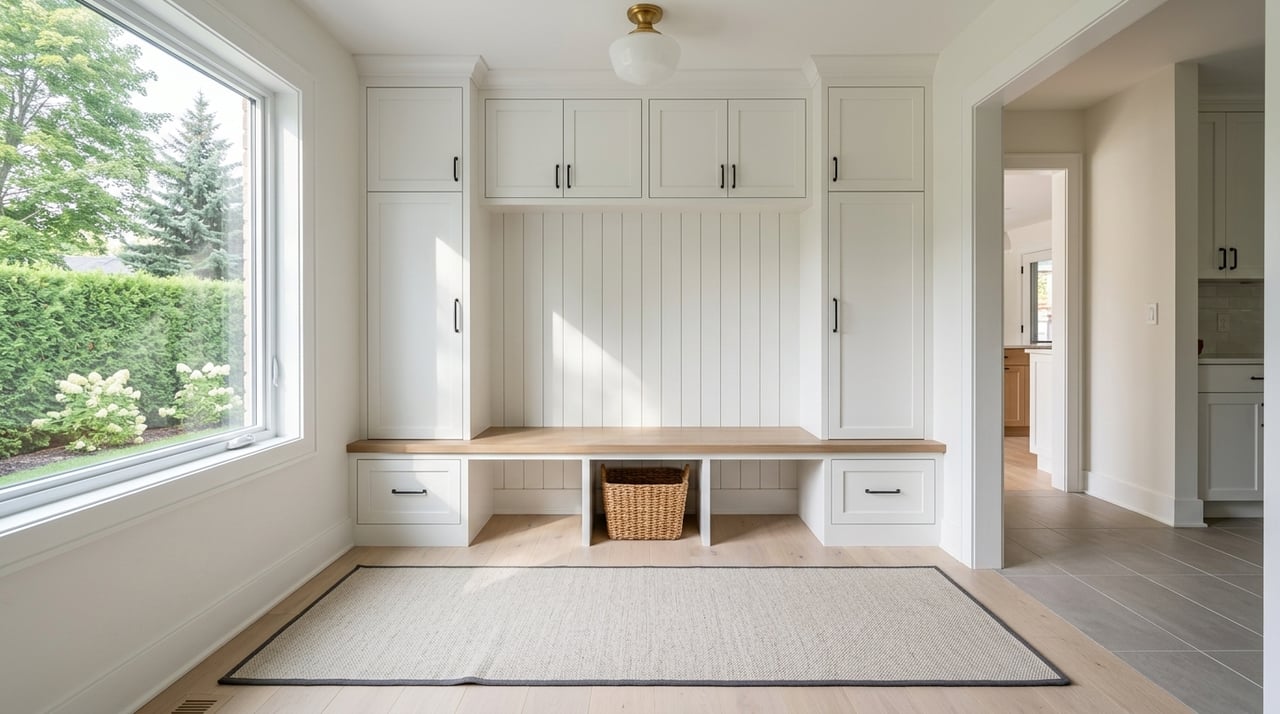
- Add soft textures. Area rugs, throws, and pillows help warm up hardwoods and tile visually and physically.
- Choose neutral accents with warm undertones, like creams, warm grays, and muted earth tones.
- Keep scents mild and clean. Avoid strong fragrances that can be overwhelming.
- If you have a fireplace, stage it for ambiance. A well-maintained, lit fireplace creates an inviting focal point.
- For lakeshore or nature views, frame the scenery by opening blinds without blocking light. Let the winter vista be part of the appeal.
Showings and safety
- Keep the thermostat comfortable, about 68 to 72 degrees, to make the home feel welcoming.
- Provide clear parking and access instructions, especially after snowfall.
- Maintain salted or sanded steps and walkways. A safe, easy entry sets the tone for the visit.
- Set up a shoe area or provide disposable booties to protect floors and keep entries tidy.
- Use high-quality virtual tours and 3D walkthroughs to draw in serious buyers and reduce no-shows during storms.
What you can fix now
Winter does not halt prep. Many high-impact projects are indoor and very doable.
- Good winter projects: interior painting, drywall touch-ups, deep cleaning, light fixture updates, cabinet hardware swaps, flooring repairs, and basic plumbing or electrical fixes.
- Exterior limitations: full exterior painting and major landscaping usually wait for warmer weather. Roof and gutter work may be possible but depends on conditions and safety.
- Paint and finishes have minimum temperature needs. Follow manufacturer guidance for curing and application, especially for any exterior work.
- Service mechanicals before listing. A documented HVAC inspection is a strong confidence booster for winter buyers.
Leverage winter concierge support
Coordinating winter prep can be complex. A concierge-style approach can simplify the process and improve results.
- Coordinate snow removal before photos, open houses, and key showings so access is safe and appealing.
- Schedule photography for midday light and consider a twilight exterior session to showcase warm lighting.
- Focus on indoor touch-ups, staging, and minor updates that are season-friendly and fast.
- Line up flexible contractors for indoor work now and plan exterior items for spring with clear documentation.
Brooks Team combines Compass-backed marketing with an in-house contractor capability to streamline winter listing prep. That means you can focus on your move while a coordinated plan handles staging, lighting, photography, and practical repairs.
Minnetonka seller checklist
Pre-listing
- Set pricing expectations with a current local analysis that accounts for seasonality.
- Complete interior touch-ups, declutter, and stage key rooms for warmth and light.
- Replace mismatched or dim bulbs with warm-white bulbs throughout the home.
- Arrange snow removal and de-icing for photos and showings.
- Schedule interior photos at midday and plan a dusk exterior session if conditions allow.
- Service HVAC and gather documentation for buyers.
While on the market
- Keep walkways and steps cleared and salted. Update showing instructions after storms.
- Maintain a comfortable temperature and a tidy entry with a mat and shoe covers.
- Refresh listing photos if major snowmelt or new snowfall changes curb appeal.
- Use virtual tours to capture remote interest and qualify buyers.
After offer and during inspection
- Expect seasonal limitations for roof, grading, and landscaping. Negotiate credits or post-close plans for items that must wait until spring.
- Keep records of recent maintenance, snow removal, and any service calls to reduce uncertainty.
Should you list now or wait?
There is no one-size-fits-all answer. If inventory in your price band is lean and buyers are active, listing in winter can work to your advantage. If you can wait and want maximum in-person traffic, spring may deliver more showings but also more competition. Compare today’s local metrics, your timeline, and the readiness of your home. Then choose the path that best aligns with your goals.
If you would like a tailored plan for your Minnetonka home, including winter-friendly prep and a pricing strategy grounded in current local data, let’s talk. Reach out to Shannon Brooks for a no-pressure conversation about timing, staging, and marketing.
FAQs
Is winter a bad time to sell in Minnetonka?
- Not necessarily. Winter brings fewer showings but often more motivated buyers, and lower inventory can help a well-prepared home stand out.
Will I get fewer offers when listing in winter?
- You may see fewer total showings, but the buyers who tour are typically serious, which can keep your conversion to offers strong if pricing and presentation are on point.
How should I stage a Minnetonka home for winter buyers?
- Emphasize warmth and light with layered lighting, warm-white bulbs around 2700K to 3000K, soft textiles, neutral warm accents, and a tidy, well-lit entry.
Which repairs can I postpone until spring?
- Major exterior painting, large landscaping projects, and some siding work often wait; prioritize indoor updates, cleaning, lighting, and minor fixes now.
How do inspections work when the roof is snow covered?
- Inspectors note seasonal limitations and may recommend credits, escrows, or post-close verification once conditions allow for a full assessment.
What thermostat setting is best for winter showings?
- Keep your home comfortable, about 68 to 72 degrees, so buyers feel welcome without overheating the space.