
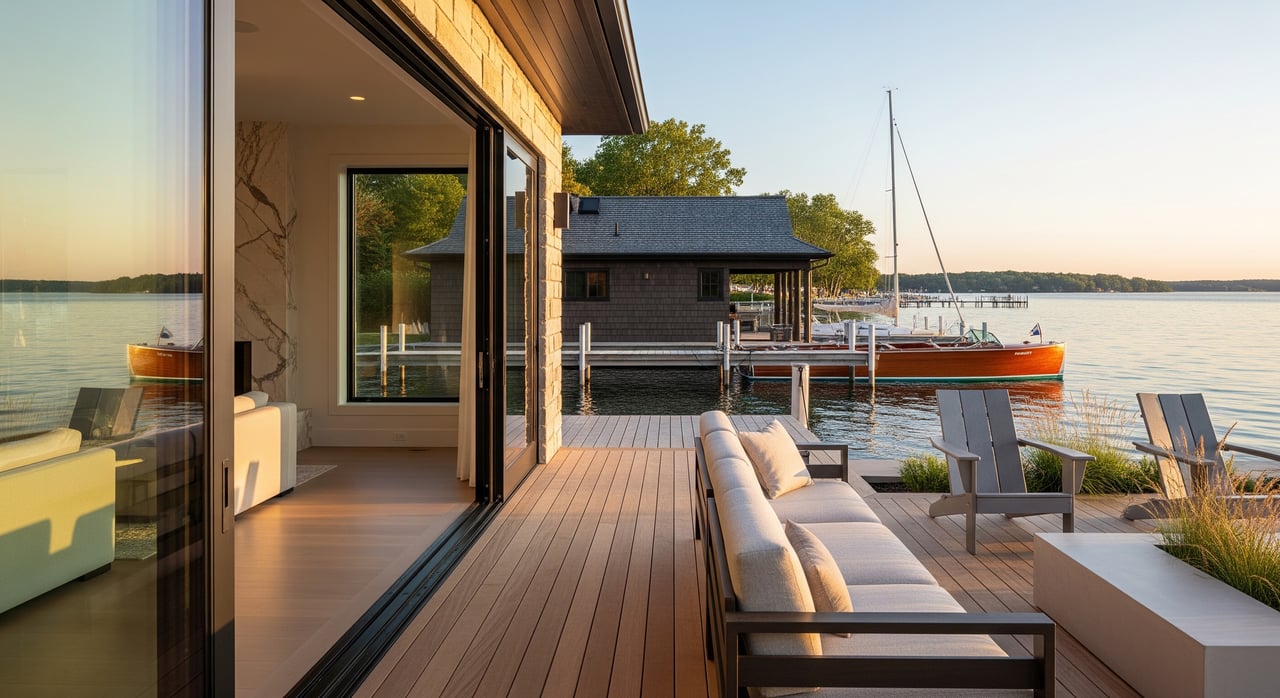
Picture your morning starting with a quiet walk along the lake, a coffee in hand, and a quick check of the dock before heading to work. If you are weighing a Wayzata move, you likely want that lakeside rhythm without giving up day-to-day convenience. This guide shows you what everyday life on Lake Minnetonka looks like in Wayzata, from commutes and walkability to boating rules, seasonal routines, and real costs. Let’s dive in.
You are west of downtown Minneapolis, and many residents drive to city and suburban employers. Travel times vary with rush hour, so plan for typical suburban traffic patterns along the main arterials. If you prefer not to drive every day, review bus options and park-and-ride choices with Metro Transit. There is no direct light-rail or commuter rail service into Wayzata as of mid-2024.
Downtown Wayzata is compact and easy to navigate on foot. Lakeside residents often walk to coffee, restaurants, and boutique shopping, especially in the warmer months. You will find everyday groceries and services within a short drive, while larger stores and specialty services sit in nearby suburbs. Car ownership is still common for bigger errands, but a surprising amount of daily life happens within a few blocks of the lake.
As ice goes out, you will see docks going back in and boats prepped for launch. Water levels and spring storms can be variable, so shoreline checks and basic maintenance are part of the season. Trails and downtown patios start to come alive as temperatures climb.
This is the high season. Boating, swimming, paddleboarding, and lakeside dining shape weekends. Expect more visitors near the lakefront and a steady buzz downtown, with community events, markets, and outdoor music common across the region. Evenings on the dock and neighborhood gatherings become routine.
The lake is quieter, and foliage is the star. You may still boat on warm days, but many owners focus on winter prep for docks and watercraft. Crisp walks along the shoreline, weekend brunches, and scenic drives around the bays take center stage.
When conditions are safe and permitted, you will see ice fishing and other winter recreation in designated areas. Many people enjoy the quieter season with lakeside walks, snowshoeing, and cozy downtown dining. Homeowners plan for snow removal, watch for potential ice pressure effects near shore, and start thinking ahead to spring launch.
Waterfront homes often include private docks, which can be a major lifestyle perk. Availability of marina slips and municipal dock space varies by season and demand, and fees differ by location. Before buying, confirm what dock rights are included with a property and what rules apply to boat size, slip configuration, and seasonal timing. The City of Wayzata provides information on municipal docks and permits, while the Lake Minnetonka Conservation District sets and enforces lake-wide regulations.
Wake rules, speed zones, and no-wake areas help keep everyone safe and protect shorelines. You should review current regulations with the Lake Minnetonka Conservation District. For lake facts, water safety, and aquatic invasive species information, consult the Minnesota DNR. Seasonal updates and safety advisories can change, so it is smart to check official sources before major outings.
If you choose a lake-adjacent or lakeview home, you can still enjoy the water. Public launches, municipal docks, and slip rentals can provide access, subject to availability and permits. Confirm current options and waiting lists with the City and LMCD, since policies and capacity can shift year to year.
Wayzata is served by Wayzata Public Schools. Families often research school programs, enrollment processes, and transportation options directly with the district. For performance data and comparisons, the state’s Minnesota Education Report Card provides official metrics. Parks, youth recreation, and community programming are supported by the city and county, with schedules and sign-ups available through the City of Wayzata and Hennepin County.
Waterfront homes can carry higher ongoing expenses compared with inland properties. Budget for seasonal dock installation and removal, routine maintenance, shoreline vegetation care, and potential repairs to boathouses or lifts. Insurance may be higher because of shoreline exposure, with considerations like ice damage and wind events. Property taxes reflect assessed value; you can review assessments and levy details through Hennepin County property taxes.
Shoreland improvements often require permits. Setbacks, vegetation management, and shoreline hardening can be restricted or require approvals. Expect to coordinate with the City of Wayzata, Hennepin County, and the Lake Minnetonka Conservation District for dock and shoreline changes. If you have questions about water quality, lake levels, or invasive species, the Minnesota DNR is the authoritative source.
Flood risk on inland Minnesota lakes is usually limited to low-lying shoreline areas, but it is still important to review floodplain maps and discuss options with your insurer. Consider coverage for ice and wave action, plus liability for docks and watercraft. Practical mitigation steps, like proper dock removal schedule and erosion control, can reduce exposure.
You deserve a process that is clear, calm, and predictable. Brooks Team brings deep local knowledge of Wayzata and the Lake Minnetonka shoreline, paired with Compass marketing to maximize exposure when you sell or to position you competitively when you buy. If your property needs work before listing, the team can guide cost-effective updates through Compass Concierge and coordinate improvements with an in-house contractor resource, so you launch with confidence.
When you are ready to explore Wayzata lakefront or lake-adjacent options, get a plan that covers lifestyle fit, regulations, and costs without surprises. Start the conversation with Shannon Brooks to map your next steps.
Stay up to date on the latest real estate trends.




Brooks Team's outgoing personality, tenacity, positive attitude, and excellent communication skills are what have made them successful in this ever-changing industry. No one likes surprises in a real estate transaction. The team's goal is to ensure that their clients know what to expect at each step, from your first meeting to closing.