
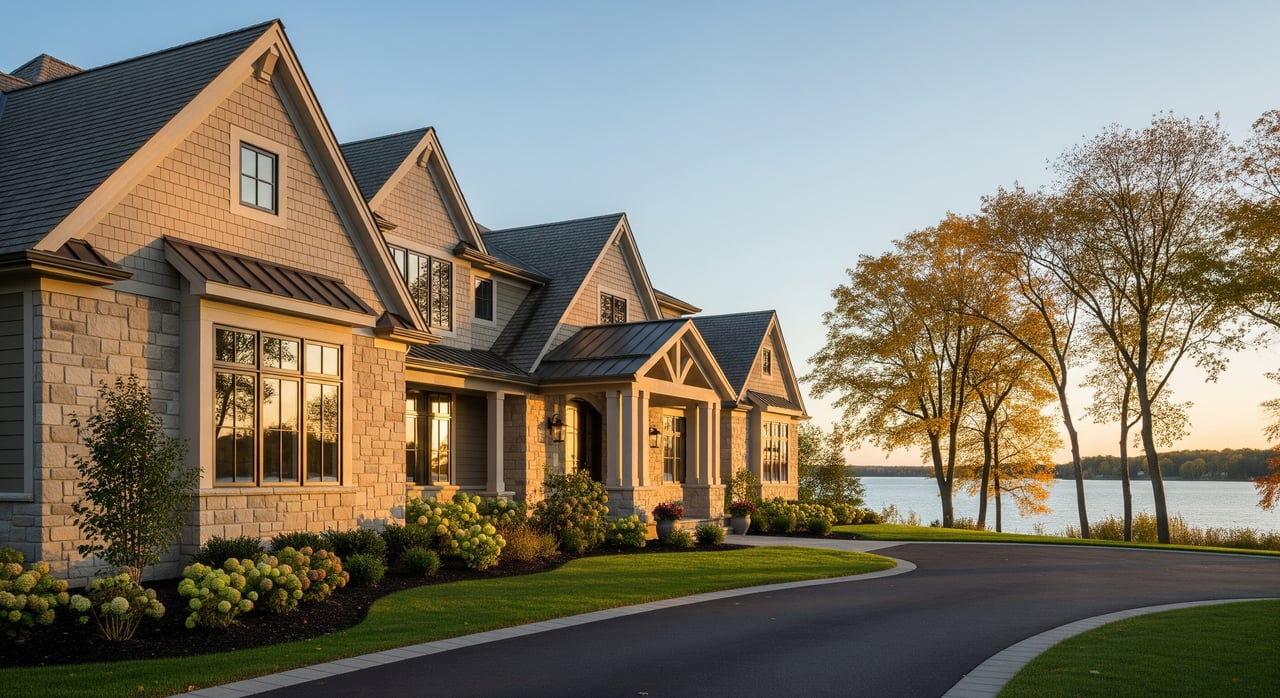
Pricing your Plymouth home right is the fastest way to attract strong buyers, avoid painful price cuts, and protect your bottom line. If you are planning to list in the next few months, you may be weighing repairs, watching rates, and wondering how far buyers will stretch. You are not alone. The good news is you can use a simple, local process to land on a price that the market will validate. In this guide, you will learn a Plymouth-specific framework for reading comps by micro-neighborhood, how to account for condition and new-build competition, and when to launch for maximum impact. Let’s dive in.
Plymouth pricing reflects both Twin Cities metro trends and hyperlocal factors. Track supply and demand signals like months of inventory, sale-to-list price ratio, and median days on market. These tell you how quickly homes are moving and how close buyers are paying to list.
Local features also shape value. Waterfront or pond views, larger lots, and mature landscaping can attract specific buyer pools. Distinct subdivisions and age bands create different price ranges and expectations. School boundaries can affect search behavior and which comparables apply. New construction in nearby suburbs can cap prices for updated resales if buyers can get modern layouts and builder warranties at a similar cost.
To stay grounded, lean on local sources. NorthstarMLS provides current comps and market stats. Hennepin County property records show parcel details and permits. Minnesota REALTORS offers regional context. City of Plymouth permit data helps you gauge neighborhood activity.
A precise comp set is the backbone of a defensible list price. Aim to mirror your home’s location, style, and condition as closely as possible.
Start with the same block or subdivision. Expand to within 0.25 to 0.5 mile for most homes. Go out to 1 mile only when necessary, such as for unique or lakefront properties where close matches are scarce.
Prioritize homes with similar style (two-story, ranch, rambler), lot type and size, age band or level of updates, bedroom and bath count, finished square footage, and whether the basement is finished. The closer the match, the less you need to adjust.
In a balanced or slower market, you can look back up to 12 months. In faster conditions, tighten the window to the last 3 to 6 months. This keeps your pricing tied to the most recent buyer behavior.
From each comp, extract:
Adjust for meaningful differences: bedroom and bathroom counts, finished lower level, lot premium (water, view), garage size, recent renovations, roof or HVAC age, and functional layout. Avoid over-weighting cheap cosmetic fixes like paint and carpet. For rare features such as lakefront, you may need to reach farther for comps. If you do, document why and explain the differences clearly.
Once you have a clean comp set, build a three-tier price range so you can match your strategy to your goals and timing.
Tie each option to outcomes. Estimate the likely buyer pool, expected days on market, and potential concessions. Agree in advance on a review date to reassess traffic and feedback.
Many buyers weigh your home against new construction nearby. You can compete effectively by knowing what matters most and where to invest.
Buyers notice open layouts, modern kitchens and baths, low-maintenance exteriors, energy efficiency, and the peace of mind that comes with builder warranties. New builds often win on turnkey finishes even when the location is less central.
Consider a seller inspection to surface issues early. It helps you price accurately, choose repairs, and reduce surprise negotiations. Prepare Minnesota seller disclosures and any federal disclosures that apply, such as lead-based paint for homes built before 1978. Offering the inspection report or a repair credit can build buyer confidence and speed up the deal.
When you launch can be as important as where you price.
Spring is typically the most active season in the Twin Cities metro. Listing in April or May can capture buyers who want to close before the school year starts. Summer still draws traffic, though late August can slow as families shift to back-to-school tasks. Fall brings a smaller but motivated pool. Winter often sees fewer showings, but the buyers who do shop tend to be serious.
Rates directly affect purchasing power and may cap what buyers can pay. Watch prevailing rates and buyer qualification patterns as you set expectations on price and concessions. If rates rise, a slightly more conservative price can keep your listing competitive.
In many markets, a mid-week launch gives your marketing time to spread before a full first weekend of showings. A Thursday listing can set up strong Friday through Sunday activity. Coordinate open houses and private showings to create a focused window of demand and clear feedback in week one.
Use this checklist to keep your plan on track.
You should not have to guess at your list price. Brooks Team pairs hyperlocal market expertise with a clear process so you can price with confidence.
If you are considering a sale in the next 3 to 6 months, let’s build your pricing plan now. Reach out to Shannon Brooks for a free market consultation tailored to your Plymouth home.
Stay up to date on the latest real estate trends.


Brooks Team's outgoing personality, tenacity, positive attitude, and excellent communication skills are what have made them successful in this ever-changing industry. No one likes surprises in a real estate transaction. The team's goal is to ensure that their clients know what to expect at each step, from your first meeting to closing.